
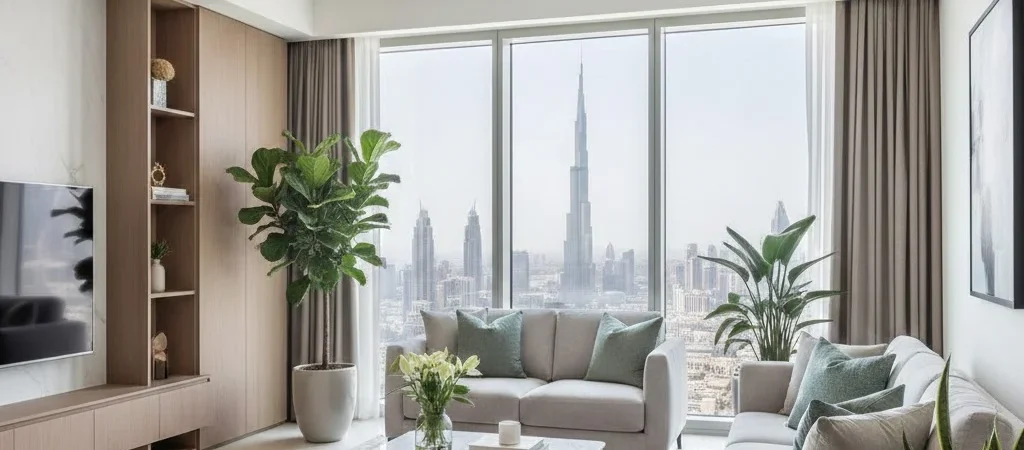
Dubai is a city defined by its breathtaking skyline, world-class luxury, and an outdoor climate that commands respect. While we spend a significant amount of time admiring the views of the Burj Khalifa or the Arabian Gulf from our floor-to-ceiling windows, we often overlook the most critical element of our living space: the quality of the air we breathe inside.
Creating a healthy home environment in a desert metropolis requires more than just high-end interior design. It requires a strategic approach to indoor ecology. Here is how you can transform your Dubai residence into a true sanctuary of wellbeing.
1. Master the Art of Air Filtration
In a region prone to occasional dust storms and high levels of ambient particulate matter, your home’s HVAC system is your first line of defense.
- Upgrade to HEPA filters: Standard filters often miss fine dust particles.
- Regular Maintenance: In Dubai’s heat, AC units work overtime. Monthly filter cleaning and quarterly professional deep-cleaning are non-negotiable for preventing dust buildup and mold spores.
2. The Invisible Factor: Balancing Humidity
This is perhaps the most misunderstood aspect of living in the UAE. We experience two extremes: the intense humidity of the summer months and the bone-dry air created by constant air conditioning.
If your indoor air is too humid, you risk mold growth and dust mites. If it’s too dry, it leads to itchy skin, dry eyes, and respiratory discomfort. Finding the “Goldilocks zone” is essential for both your health and the preservation of your home’s natural materials, like wood flooring and fine art.
To maintain a perfect balance, it is crucial to understand the science behind your home’s climate. For a detailed breakdown of the ideal parameters, you can explore this expert guide on how to manage indoor humidity to ensure your living space remains a healthy haven year-round.
3. Bring the Outdoors In (Wisely)
Biophilic design—incorporating nature into your home—is proven to reduce stress and improve air quality. However, in Dubai, you must choose plants that thrive in indoor light and don’t significantly increase indoor moisture to unmanageable levels.
- Snake Plants & Peace Lilies: Excellent for filtering indoor toxins.
- Smart Irrigation: Use self-watering pots to prevent standing water, which can become a breeding ground for bacteria in warm temperatures.
4. Optimize for Circadian Light
Natural light is abundant in Dubai, but managing it is key to a healthy sleep-wake cycle.
- Smart Shading: Use automated blinds to harvest natural light during the morning while blocking the intense afternoon heat.
- Warm Lighting: For the evening hours, switch to warm-toned, dimmable LED lights to help your body prepare for rest after a busy day in the city.
5. Choose Non-Toxic Materials
When furnishing your Dubai apartment, look for “Low-VOC” (Volatile Organic Compounds) labels. Many paints, adhesives, and synthetic fabrics off-gas chemicals into the air. In a sealed, air-conditioned environment, these chemicals can accumulate. Opting for natural stone, organic cotton, and water-based finishes ensures that your luxury interior doesn’t compromise your long-term health.
A home in the heart of Dubai should be more than a status symbol; it should be a place where you recharge and thrive. By paying attention to air filtration, biophilic elements, and maintaining precise control over your indoor humidity, you ensure that your residence remains as healthy as it is beautiful.
Frequently Asked Questions
What is the ideal indoor humidity level for a Dubai apartment?
For maximum comfort and health, indoor humidity should be maintained between 45% and 55%. In Dubai, air conditioners often drop this level below 30%, which can dry out your skin and respiratory passages. Conversely, if it rises above 60%, it creates a risk of mold growth. You can find more specific data on healthy humidity ranges here.
How often should I service my AC unit in the UAE?
Due to the high levels of dust and the intensity of the heat, it is recommended to have a professional AC service every 3 to 4 months. This should include coil cleaning and a check of the drainage lines to prevent indoor moisture buildup.
Can indoor plants really improve air quality in high-rise buildings?
Yes, certain plants like the Snake Plant (Sansevieria) or Spider Plant are highly effective at filtering toxins like benzene and formaldehyde. However, be mindful of overwatering, as excess moisture in soil can increase indoor humidity levels beyond the comfort zone.
Why does my apartment feel “stuffy” even when the AC is on?
This is often due to poor air circulation or an accumulation of CO2 and VOCs (volatile organic compounds). Ensure your “fresh air” intake is functioning correctly and consider using a standalone air purifier with a HEPA filter to supplement your built-in system.
Is a humidifier or a dehumidifier better for a home in Dubai?
It depends on the season and your building’s insulation. During the peak of summer, ACs act as powerful dehumidifiers, often making the air too dry (requiring a humidifier). However, during the humid “shoulder months” (like September/October), you might need a dehumidifier if your AC isn’t running constantly.