
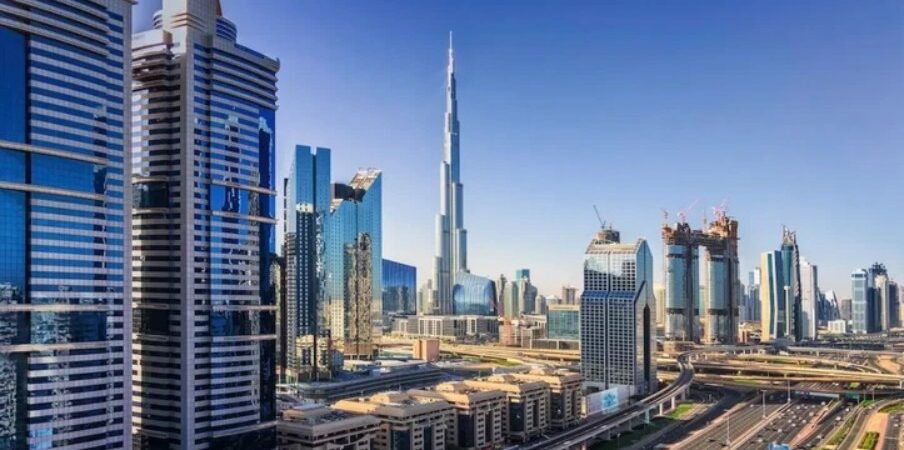
Thinking about investing in Dubai real estate but not sure where the numbers actually land? You’re not alone. With so much noise in the market — glossy brochures, projected returns that seem too good to be true — it’s hard to know what’s realistic. This guide cuts through that and gives you a grounded look at what kind of ROI and rental yield you can genuinely expect from Berkeley at Dubai Hills Estate, one of the city’s most talked-about residential developments right now.
Why Dubai Hills Estate Is on Every Investor’s Radar
Before diving into the specifics of Berkeley, let’s zoom out for a second.
Dubai Hills Estate has transformed from a promising master-planned concept into one of Dubai’s most sought-after communities. It’s not hype — the data backs it up. According to market reports, apartment rents in Dubai Hills Estate increased by 52% between 2022 and Q1 2025, while off-plan apartment prices climbed 38% over the same period. Transaction volumes in Q1 2025 alone hit 1,069 deals worth AED 3.87 billion.
What’s driving all this? A combination of things: the 18-hole championship golf course, Dubai Hills Mall (5 minutes away), access to Al Khail Road, proximity to Downtown Dubai and Business Bay, and — perhaps most importantly — a genuine lifestyle offering that attracts both families and working professionals. These are the kinds of tenants who stick around, pay on time, and keep vacancy rates low.
Berkeley at Dubai Hills Estate sits right in the middle of this ecosystem. Developed by Soho Development, the project offers fully furnished studios, 1-bedroom, and 2-bedroom apartments across 116 thoughtfully designed residences — with hotel-inspired amenities baked in.
Rental Yields at Dubai Hills Estate: What the Market Is Saying
Investment metrics in Dubai Hills Estate remain strong, with apartments yielding between 5.58% and 7.98%, depending on unit type, floor, view, and furnishing level. Apartment yields held at around 6.9% in Q1 2025 — a figure that reflects healthy, sustained demand rather than a speculative spike.
Here’s a simplified breakdown of what rental yields look like across different property types in Dubai Hills Estate:
| Property Type | Gross Rental Yield (2025) | Notes |
|---|---|---|
| Studio | 6.5% – 7.5% | Highest demand from young professionals and expats |
| 1-Bedroom Apartment | 6.0% – 7.0% | Strong occupancy, ideal for long-term tenants |
| 2-Bedroom Apartment | 5.5% – 6.5% | Popular with families and dual-income couples |
| Villa / Townhouse | 5.1% – 6.0% | Lower yield but longer tenancy and capital upside |
For Berkeley specifically, the fully furnished nature of the units is a meaningful advantage. Furnished apartments consistently command a rental premium — sometimes 15–25% above comparable unfurnished stock. That translates directly into better yield numbers for investors who don’t want the hassle of sourcing and installing furniture before their first tenant moves in.
What ROI Actually Looks Like for Berkeley Investors
Rental yield is one piece of the puzzle. Total ROI — which factors in capital appreciation on top of rental income — is where the real story gets interesting.
For short-term investors, off-plan units delivered in 2023–2024 in Dubai Hills have already shown ROI of 8% to 10% post-handover due to price appreciation and demand surge. For long-term holders, steady capital appreciation combined with rental income translates into an annualized ROI of 6% to 7% over a 5–7 year period.
Forecasts suggest continued rental rate growth of 5%–7% annually, while capital values are expected to increase by 6%–8% over the next two years.
Put simply: you’re not just collecting rent. You’re sitting on an asset that’s likely appreciating at the same time.
A few factors specific to Berkeley that support strong ROI:
- Fully furnished units. Ready-to-rent from day one, no fit-out costs, attractive to the short-term and corporate rental market.
- Hotel-inspired amenities. Pool, wellness studio, concierge services, smart home technology — features that justify premium pricing and attract quality tenants.
- Prime location within Dubai Hills. Within 5 minutes of Dubai Hills Mall, 15 minutes to Downtown Dubai and the Burj Khalifa, 20 minutes to Dubai International Airport.
- Limited supply of 116 units. Scarcity supports both rental rates and resale values over time.
Gross vs. Net Yield: Don’t Skip This Part
One thing that catches a lot of first-time Dubai investors off guard is the difference between gross and net yield. It matters.
Gross yield is the headline number — annual rent divided by purchase price. Net yield is what you actually pocket after costs. In Dubai, the main costs to account for are:
- Service charges (typically AED 15–30 per sq. ft. per year in Dubai Hills)
- Property management fees (5–8% of annual rent if using a manager)
- Dubai Land Department (DLD) transfer fee (4% of purchase price, paid once at acquisition)
- Maintenance and minor repairs
- Vacancy periods (typically 1–4 weeks annually in high-demand areas)
A realistic net yield for a well-managed, furnished apartment in Berkeley would land somewhere in the 5%–6.5% range — still well above what most European or North American markets offer. And that’s with zero income tax, which remains one of Dubai’s most compelling advantages for international investors.
Short-Term vs. Long-Term Rental Strategy
Berkeley’s hotel-inspired design and furnished interiors make it particularly well-suited to flexible rental strategies.
Long-term rentals (annual leases) are lower-effort and offer predictable income. Dubai Hills attracts stable, professional tenants — often expats working in Business Bay, DIFC, or Downtown — who tend to renew leases and take care of the property. This suits investors who want passive income without much active management.
Short-term rentals (holiday lets via platforms like Airbnb or Booking.com) can generate higher gross revenue, particularly during peak tourism months. Dubai welcomed over 17 million international visitors in 2024, and short-term demand in well-located, premium furnished apartments remains strong. Dubai Hills Estate is listed among the best areas for short-term rental returns due to its connectivity, amenities, and lifestyle appeal.
The tradeoff is more active management — or higher property management fees. Many investors in fully furnished developments like Berkeley opt for a hybrid approach: long-term rental most of the year, with short-term lets during major events like Dubai Expo follow-ons, GITEX, or the Dubai Shopping Festival.
Why Foreign Investors Are Choosing Dubai Hills Right Now
Foreign investors comprised 42% of transactions in H1 2025, with buyers from India, Russia, the UK, China, and Europe leading activity. The reasons aren’t hard to understand:
- No income tax or capital gains tax on property in Dubai
- 100% foreign ownership of freehold properties, including Berkeley
- UAE Golden Visa eligibility for properties purchased at AED 2 million or above
- Transparent legal framework — the Dubai Land Department regulates all transactions
- Strong rental demand driven by a growing expat population (3.65 million residents in 2025, projected to reach 7.8 million by 2040)
Berkeley’s price point and flexible payment plan structure make it accessible for international buyers who want exposure to Dubai real estate without having to commit to the highest-tier luxury segment.
What Sets Berkeley Apart in a Competitive Market
There’s no shortage of apartment developments in Dubai. So what makes Berkeley worth looking at specifically?
A few things stand out from an investment lens:
Developer track record. Soho Development has positioned Berkeley as a premium product with genuine attention to detail — from smart home systems to bespoke interiors. This translates into better tenant retention and stronger resale demand compared to commodity-grade developments.
Amenities that actually add value. The wellness studio, swimming pool, garden pathways, children’s playhouse, and concierge services aren’t just marketing copy — they’re what tenants are willing to pay more for. In a competitive rental market, lifestyle amenities are the difference between a 2-week vacancy and a 2-month one.
Community positioning. Being part of Dubai Hills Estate means Berkeley benefits from the master community’s ongoing infrastructure investment — new schools, expanded retail, green corridors, and transport links that are still being developed.
Final Thought: Is Berkeley a Smart Investment?
For investors who want a balance of reliable rental income and long-term capital appreciation, Berkeley at Dubai Hills Estate checks the right boxes. Yields in the 6%–7.5% gross range (5%–6.5% net) are realistic based on current market conditions, and the capital appreciation story for Dubai Hills remains strong heading into 2026 and beyond.
It’s not a get-rich-quick play. It’s a considered, well-located asset in a market that continues to attract global capital — with the added advantage of fully furnished, hotel-quality units that minimize time-to-tenancy and attract quality renters.
If you’re an expat looking for a home that doubles as an investment, or an overseas buyer seeking dependable Dubai exposure, Berkeley deserves a serious look.
Frequently Asked Questions
What is the expected rental yield at Berkeley Dubai Hills Estate?
Based on current Dubai Hills Estate market data, investors can expect gross rental yields of approximately 6%–7.5% for studio and 1-bedroom apartments, and 5.5%–6.5% for 2-bedroom units. Net yields, after service charges and management fees, typically fall in the 5%–6.5% range. Fully furnished units like those at Berkeley tend to command a rental premium that supports the higher end of these ranges.
Is Berkeley Dubai a good investment for foreign buyers?
Yes. Berkeley is a freehold property, meaning foreign nationals can own it outright with full title. Dubai imposes no income tax or capital gains tax, and the UAE Golden Visa program offers residency options for qualifying investors. Dubai Hills Estate itself has consistently shown strong transaction volumes and rental demand, making it a reliable market for international capital.
What is the difference between gross and net yield in Dubai?
Gross yield is annual rent divided by purchase price — the headline figure. Net yield deducts ongoing costs including service charges (typically AED 15–30/sq. ft. annually), property management fees (5–8% of rent), maintenance, and vacancy periods. In Dubai, a gross yield of 7% might realistically translate to a net yield of around 5.5%–6%, which still compares very favorably to most global real estate markets.
Is short-term or long-term rental better for Berkeley apartments?
Both strategies work well. Long-term annual leases offer predictable income and lower management overhead — ideal for passive investors. Short-term rentals can generate higher gross revenue, especially during peak tourism periods, but require more active management or a property manager. Berkeley’s fully furnished units and hotel-inspired design make it suitable for either approach, or a hybrid of both.
How has the Dubai Hills Estate market performed recently?
Very strongly. Apartment rents in Dubai Hills rose 52% between 2022 and Q1 2025, while off-plan prices climbed 38% over the same period. Q1 2025 saw 1,069 total transactions worth AED 3.87 billion in the community. Capital values are forecast to grow a further 6%–8% over the next two years, supporting solid overall ROI for investors entering now.
What costs should I factor in when calculating ROI for a Dubai property?
Beyond the purchase price, factor in: the 4% Dubai Land Department transfer fee (one-time), annual service charges, property management fees if applicable, insurance, periodic maintenance, and any vacancy periods. For off-plan purchases, also consider the payment plan schedule and the time between purchase and first rental income. Working with a knowledgeable real estate advisor helps ensure your return projections reflect realistic net figures rather than optimistic gross numbers.